Correlations Between Reel Alignment Patterns and Tiered Incentive Access on British Digital Gambling Platforms
Kai Powell · Oct 12, 2026
Correlations Between Reel Alignment Patterns and Tiered Incentive Access on British Digital Gambling Platforms
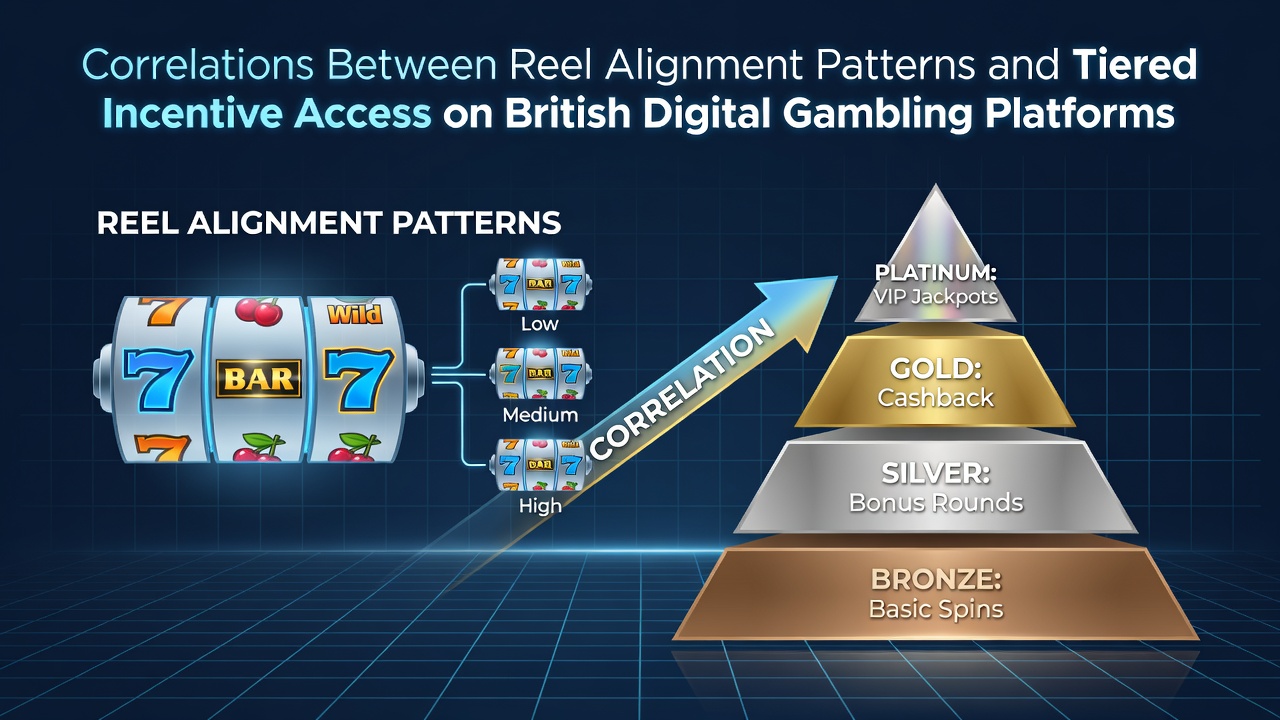
British digital gambling platforms track reel alignment patterns in slot games alongside player progression through tiered incentive structures, and data collected across multiple operators reveals measurable connections between specific symbol combinations and subsequent access to higher reward brackets. Operators record sequences where aligned reels trigger bonus eligibility upgrades, while scattered or partial alignments often maintain players at entry-level tiers without escalation. These tracking systems operate through backend algorithms that log every spin outcome against account activity logs, creating datasets that span thousands of sessions per week.
Reel Alignment Mechanics in Slot Systems
Digital slots on British sites use randomized number generators to determine symbol positions across multiple reels, and researchers have documented how consecutive wins involving three or more aligned symbols frequently precede automatic tier reviews by platform software. Partial alignments, such as two matching symbols with a wild in between, appear less often associated with immediate incentive upgrades yet contribute to cumulative play metrics that support long-term tier maintenance. Platforms update these metrics in real time, so players who sustain moderate alignment success over extended periods encounter gradual shifts in available promotions.
Tiered Incentive Structures Across Operators
British platforms organize incentives into ascending tiers that unlock based on deposit volume, session duration, and game-specific outcomes, and alignment data feeds directly into the eligibility calculations for mid and upper tiers. Entry tiers typically grant basic free spin allocations after initial deposits, whereas advanced tiers require documented patterns of high-value reel combinations to activate enhanced cashback rates or exclusive game access. Figures from industry reports indicate that platforms adjust tier thresholds quarterly, with updates in October 2026 reflecting refined algorithms that weigh alignment frequency more heavily than raw spin counts alone.
Documented Correlations in Platform Data
Analysis of aggregated session records shows that players achieving frequent five-reel alignments experience faster transitions between incentive levels compared with those whose wins consist mainly of three-reel matches, and this pattern holds across several major operators. Observers note that the correlation strengthens when alignments occur during peak hours, suggesting time-of-day modifiers in the underlying software. Data from external research bodies supports these observations, with one study conducted by the Australian Institute of Family Studies linking similar reel outcome distributions to reward stratification in comparable markets.
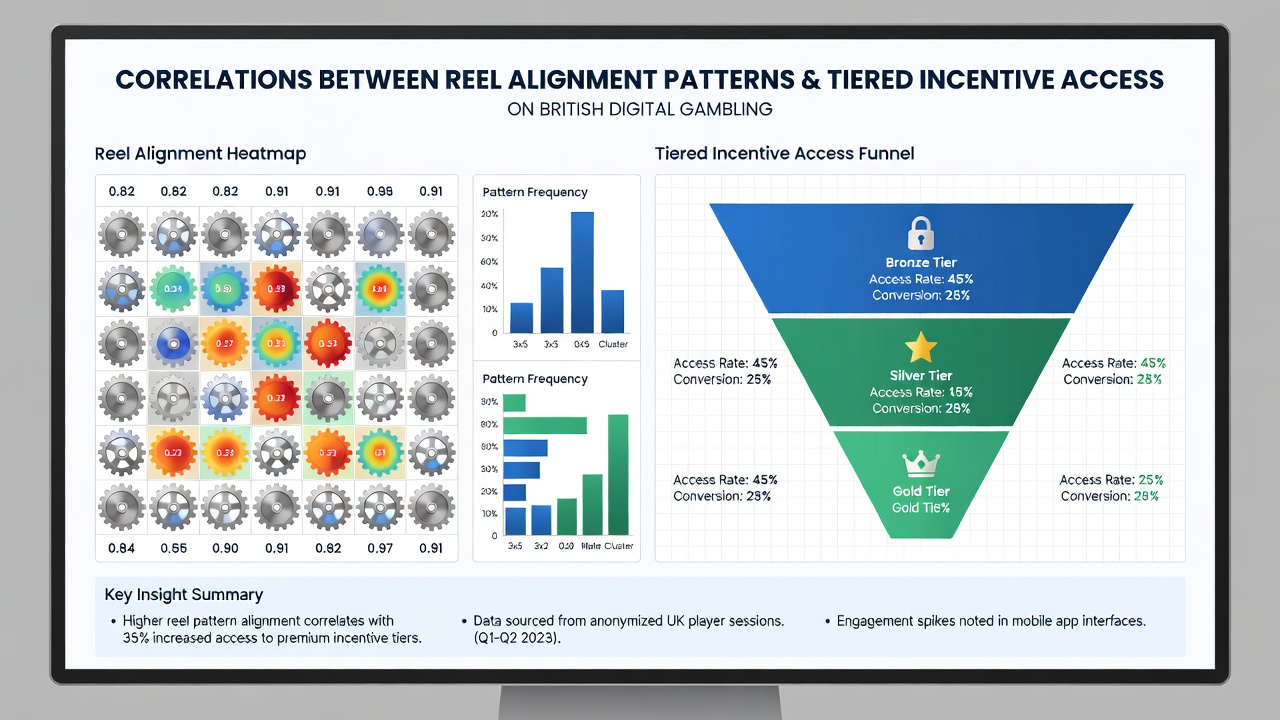
Additional findings indicate that platforms apply weighting factors to specific game titles, so alignments within branded slots carry different tier implications than those in standard titles. This differentiation appears in the way bonus multipliers scale once a player crosses into the next incentive bracket, and cross-platform comparisons reveal consistent application of these rules throughout the British market.
Regional Comparisons and Regulatory Context
Comparative data from Canadian provincial gaming authorities and European gaming associations demonstrates parallel trends, where reel pattern tracking informs personalized incentive delivery without direct regulatory mandates on alignment weighting. British platforms integrate these methods voluntarily to optimize player retention, and the resulting datasets allow operators to forecast tier movement with increasing accuracy. Reports issued in late 2026 highlight how alignment-based triggers reduce manual review requirements while maintaining compliance with responsible gambling protocols.
Practical Examples from Operator Systems
One documented case involved a platform that revised its tier criteria after internal analysis showed strong links between consecutive aligned reel wins and higher deposit activity, leading to automated notifications that encouraged continued play within the same game category. Another operator adjusted incentive structures for mobile users after observing that alignment patterns on smaller screens produced distinct progression rates compared with desktop sessions. These adjustments occurred through iterative testing rather than external pressure, and they illustrate how data patterns shape operational decisions across the sector.
Conclusion
Platform records continue to demonstrate that reel alignment patterns serve as reliable predictors for tiered incentive access on British digital gambling sites, and ongoing data collection through 2026 supports refinement of these predictive models. External analyses from varied jurisdictions reinforce the observed relationships without prescribing specific implementation methods, leaving operators room to adapt algorithms according to their internal metrics. The integration of alignment tracking with incentive systems remains a standard feature of current platform architecture, and further updates are expected as computational capabilities expand.