Shifts in How British Platforms Link Game Categories to Player Incentives Through Marketing Channels
Iris Wolf · Sep 28, 2026
Shifts in How British Platforms Link Game Categories to Player Incentives Through Marketing Channels
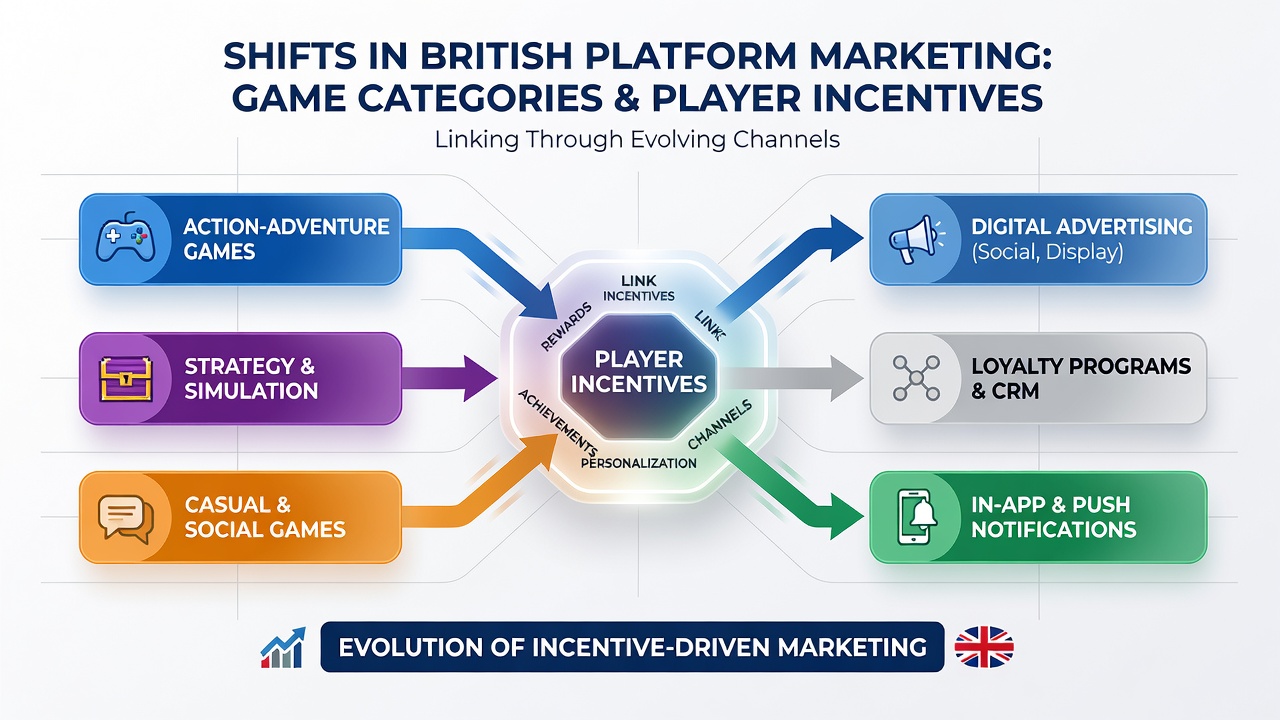
British platforms have refined the connections between game categories and player incentives through targeted marketing channels over the past several years, with operators using data analytics to match specific titles such as live dealer tables or progressive jackpot games to tailored reward structures. Research from industry associations indicates that these linkages rely on segmentation tools that track player preferences across digital channels including email campaigns, social media promotions, and affiliate networks.
Evolution of Category-Based Incentive Structures
Operators in the British market began shifting their strategies around 2023 when advanced tracking software allowed finer distinctions between game types, and this development led platforms to assign different incentive tiers to slots versus table games based on engagement metrics. Data from the American Gaming Association shows similar patterns emerging in cross-border comparisons, where category-specific rewards increased retention rates by aligning promotions with player activity histories. Those who manage these systems note that real-time adjustments now occur through automated platforms that respond to session length and game selection patterns.
Marketing teams integrate these linkages by routing communications through multiple channels at once, while email sequences highlight bonus eligibility tied to particular categories and push notifications direct users toward live casino sections when data predicts higher conversion. Observers have documented how this multichannel approach reduces generic outreach and instead delivers incentives that correspond directly to the games players have already explored.
Role of Analytics in Channel Selection
Analytics platforms process large volumes of player data to determine which marketing channel works best for each game category, and algorithms prioritize affiliate partnerships for high-volatility slots while favoring in-app messages for strategy-based table games. Studies conducted by research groups at universities in Canada reveal that such targeted distribution improves response rates compared with uniform campaigns across all categories. Platforms therefore allocate resources accordingly, directing budget toward channels that demonstrate measurable connections between game type and incentive uptake.
Regulatory Context and Data Sharing Practices
Changes in data protection rules across European jurisdictions have influenced how British platforms handle player information for marketing purposes, with new guidelines expected to take effect in September 2026 that will require clearer consent mechanisms for category-linked promotions. These upcoming requirements build on existing frameworks and encourage operators to document the pathways from game category data to incentive delivery. Industry reports suggest that compliance teams now review marketing flows more frequently to ensure each channel maintains transparency about how rewards connect to specific games.
Platforms have responded by adopting standardized tagging systems that label incentives according to game category, and this practice allows regulators and operators alike to trace the origin of each promotional offer. External audits conducted by independent firms verify that the linkages remain consistent with player consent records.
Examples of Channel and Category Integration
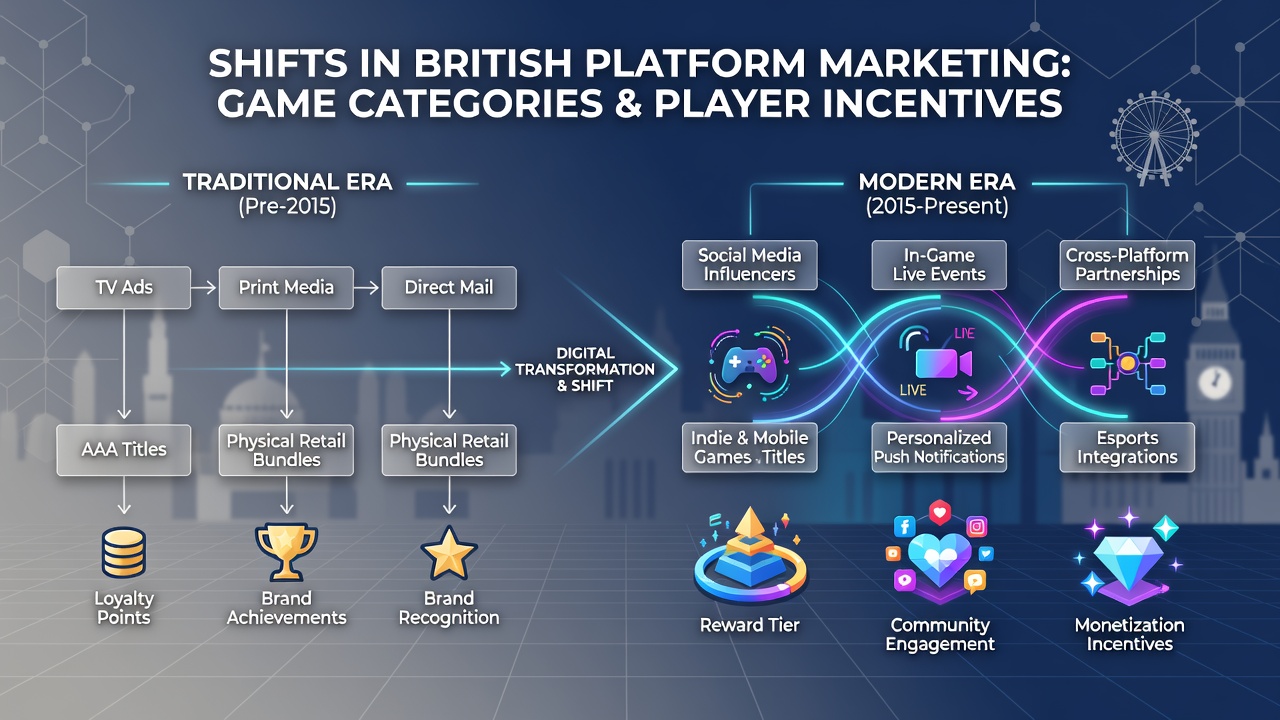
One platform implemented a system that routes players who frequently select roulette into loyalty programs featuring cashback offers delivered exclusively through its mobile app, whereas users engaged with video slots receive free bet notifications via social media integrations. Such differentiation demonstrates how operators segment their marketing efforts based on observed behavior rather than applying blanket strategies. Reports from the European Gaming and Betting Association highlight similar segmentation models operating across multiple markets, where category alignment drives measurable differences in engagement metrics.
Another development involves the use of predictive modeling to forecast which incentives will resonate with players of live dealer games versus those who prefer instant-win formats, and these models feed directly into campaign scheduling across web and mobile channels. Teams responsible for execution adjust parameters weekly to reflect new performance data.
Future Developments Expected by September 2026
By September 2026, British platforms anticipate further integration of artificial intelligence tools that will automate the matching of game categories to incentive types across an even wider range of marketing channels. Preparations include updates to existing software infrastructure and staff training programs focused on interpreting expanded datasets. Industry analysts expect these tools to produce more granular reports that detail the effectiveness of each linkage while maintaining compliance with evolving standards.
Conclusion
British platforms continue to develop precise methods for connecting game categories with player incentives through coordinated marketing channels, supported by analytics, regulatory alignment, and technological updates. The patterns established in recent years and the preparations underway for September 2026 indicate that these linkages will become more automated and transparent over time, with data from multiple regions providing benchmarks for ongoing refinement.